
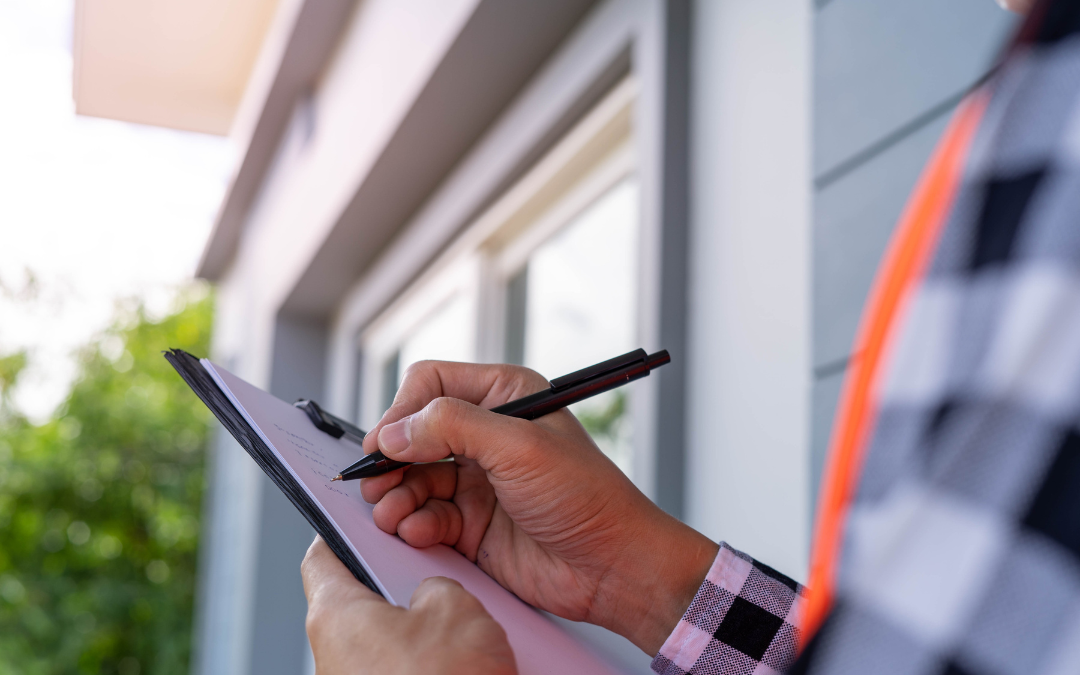
Embarking on the journey of homeownership, one of the most crucial steps is an inspection, which ensures the home you’re about to purchase truly is as it appears.
A thorough home inspection can reveal hidden issues that could cost you thousands of dollars in repairs down the line. Whether you’re buying or selling, knowing what to look for in a home inspection and the questions to ask during a home inspection can make all the difference.
In this guide, we’ll walk you through the key areas to inspect, common red flags to watch out for, and essential questions to ask both the inspector and the real estate agent. Whether you’re buying or selling a home, the home inspection process can sometimes be an added source of stress.
At Jensen Real Estate, we make the entire home buying and selling process as simple and stress-free as possible. Contact us today.
Key areas to inspect in a home
From the roof’s peak to the basement’s depths, a thorough inspection of key areas can reveal the hidden truths of your prospective home.
Roof
One of the most critical areas to examine is the roof. A well-maintained roof is essential for protecting your home from water damage and structural issues. Look for any signs of leaks, missing or damaged shingles, and structural damage.
Pay close attention to the edges and valleys, as these areas are particularly vulnerable to water infiltration. If possible, get a professional opinion, as subtle issues can often be overlooked by the untrained eye.
Plumbing
Next, the plumbing system is another vital component that requires careful scrutiny. Check under sinks and in bathrooms for any signs of leaks or water damage.
The basement is also a crucial area to inspect, as it can often harbor hidden plumbing issues. Look for damp spots, mold, and any unusual odors that might indicate a problem. A functioning and leak-free plumbing system is not only important for comfort but also for preventing costly repairs and health hazards.
Electrical
The electrical systems should not be overlooked, as outdated wiring and circuit issues can pose significant safety risks. Inspect the main electrical panel for any signs of wear or damage, and ensure that all outlets and switches are functioning properly.
If you notice any flickering lights, tripped breakers, or warm outlets, these could be red flags indicating deeper issues. It’s always a good idea to have a licensed electrician assess the system, especially in older homes where the wiring might need an upgrade.
Foundation
Finally, the foundation of your home is its backbone, and any issues here can lead to major structural problems. Examine the foundation for cracks, moisture, and signs of settling. Cracks, even small ones, can be a symptom of more serious issues, and moisture can indicate a problem with drainage or waterproofing. A stable and dry foundation is crucial for the long-term integrity of your home.
HVAC
Additionally, review the HVAC systems for efficiency and proper operation. Check the filter condition and ensure that the heating and cooling systems are functioning as they should. An efficient HVAC system can save you money on energy bills and keep your home comfortable year-round.
Common red flags to watch out for
Watch out for these common red flags that could signal bigger issues, and learn how to identify them during your inspection.
Foundation problems
One of the most critical aspects to consider is the structural integrity of the home. Uneven floors or walls can be a telltale sign of foundation problems. These issues are not only unsightly but can also lead to more significant and costly repairs down the line.
If you notice any cracks in the walls, particularly those that are diagonal or wider at the top or bottom, it’s a good idea to have a professional evaluate the foundation. Similarly, doors and windows that don’t close properly or stick can indicate that the structure is shifting, which is another red flag to keep in mind.
Plumbing problems
Another area to pay close attention to is the plumbing system. Leaking faucets or damp basements are often more than minor inconveniences; they can point to ongoing plumbing issues that need to be addressed.
A small leak can lead to mold growth and water damage, which can compromise the home’s structural integrity and pose health risks. During your home inspection, check under sinks, around bathtubs, and in the basement for any signs of moisture or water stains.
Mold concerns
Mold is a serious concern, especially in areas like bathrooms, kitchens, and basements. The presence of mold can indicate past or present water damage, which can be a major issue.
Mold not only damages the surfaces it grows on but can also cause respiratory problems and other health issues. Look for any visible signs of mold and be alert for musty odors. If you suspect mold, have the area tested and treated.
Electrical hazards
Electrical hazards are another critical area to inspect. Flickering lights, frequently tripped circuit breakers, and outlets that don’t work can all be signs of outdated or unsafe wiring.
During your inspection, ask the inspector to thoroughly check the electrical system. Ensure there are no exposed wires or signs of deterioration.
Pest infestations
Pest infestations can also be a significant red flag. Signs such as droppings, damaged wood, or active insect activity should be addressed immediately.
Termites, in particular, can cause extensive structural damage. If you notice signs of pests, hire a pest control professional to assess the extent of the issue.
Essential questions for the home inspector
Though the best home inspectors are thorough, there are some questions you should ask to get a clear picture.
Ask about the roof’s condition, any water damage, HVAC age and efficiency, and electrical safety concerns. These systems represent some of the most expensive potential repairs.
What to ask the real estate agent
Your agent is a wealth of information. Ask about the history of repairs and improvements, especially major renovations.
Know the home’s history
Ask about water leaks, mold history, neighborhood developments, crime rates, school districts, and amenities. These factors impact both lifestyle and resale value.
Also ask why the owners are moving and how long the home has been on the market. Homes that sit longer can indicate issues that deter buyers.
Tips for a smooth home inspection process
Create a detailed checklist to stay organized.
Stay present during the inspection so you can ask questions in real time and understand the findings.
Finally, request a detailed report with photos and repair recommendations to guide negotiations.